South Africa has entered a new era in HIV prevention with the rollout of lenacapavir, a long-acting injection that can protect HIV-negative people from acquiring HIV with just two doses a year.
But with PrEP, PEP and now injectable prevention all available, understanding which option is right — and when — can be confusing.
Here is a simple breakdown.
PrEP and PEP are not the same thing
Although their names sound similar, PrEP and PEP are used at different times.
What is PrEP?
PrEP stands for pre-exposure prophylaxis.
It is HIV medicine taken before potential exposure to HIV to reduce the risk of becoming infected.
PrEP is intended for people who are HIV-negative but may have an increased chance of being exposed to HIV.
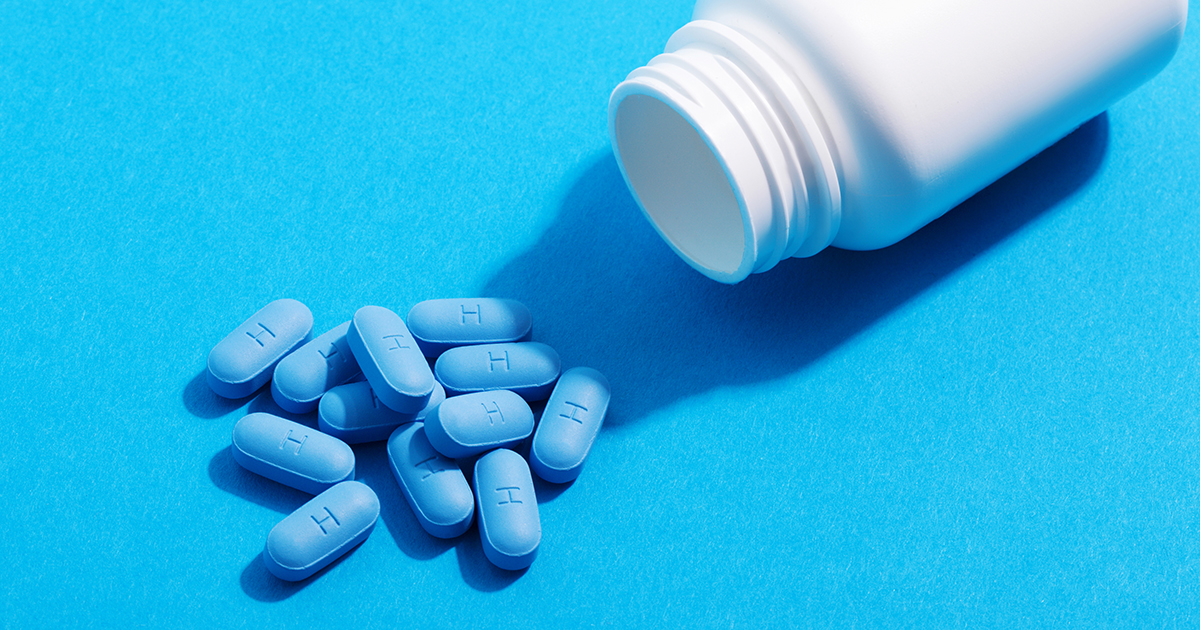
Traditionally, PrEP has been available as tablets that are taken regularly. When taken as prescribed, oral PrEP is highly effective at preventing sexually acquired HIV.
The important point is that PrEP is prevention before exposure.
What is PEP?
PEP stands for post-exposure prophylaxis.
It is an emergency HIV treatment used after a possible exposure to HIV.
For example, someone might consider PEP after unprotected sex, a condom breaking, sexual assault or another situation where they may have been exposed to HIV.
PEP needs to be started as soon as possible after exposure and within 72 hours. It is taken for a short course, typically 28 days.
Unlike PrEP, PEP is not something intended to be taken routinely before sex. It is an emergency intervention following a potential exposure.
The easiest way to remember the difference
Think of it this way:
PrEP = Before exposure
PEP = After exposure
If someone knows they may regularly be exposed to HIV, PrEP can provide ongoing protection.
If an unexpected exposure has already happened, PEP may be appropriate — but the clock matters.
Then there is the new injection: Lenacapavir
One of the biggest developments in HIV prevention is lenacapavir, a long-acting injectable form of PrEP.
Unlike daily oral PrEP, lenacapavir is administered twice a year.
The World Health Organization recommends twice-yearly injectable lenacapavir as an additional HIV-prevention option. Clinical trials have demonstrated extremely high effectiveness in preventing HIV acquisition.
South Africa officially launched the rollout of lenacapavir on 5 June 2026, with the first phase involving selected public-sector health facilities.
That means people who are eligible for PrEP now have another option that does not require remembering a tablet every day.
How does the injection work?
Lenacapavir is an antiretroviral medicine that works by targeting the HIV capsid, a structure that plays several important roles in the virus's life cycle.
For prevention, the medicine is delivered as a long-acting injection under the skin.
In South Africa's programme, the regimen involves injections at six-month intervals, alongside HIV testing and the required initiation doses.
The major advantage is convenience.
Instead of having to remember PrEP every day, a person can receive their scheduled injections and maintain preventive drug levels for approximately six months.
Is the injection a vaccine?
No.
This is an important distinction.
Lenacapavir is sometimes described as being "like a vaccine" because of how long it can protect someone after administration, but scientifically it is not a vaccine.
A vaccine trains the body's immune system to recognise and fight a pathogen.
Lenacapavir is an antiretroviral medicine. It remains active in the body and prevents HIV from establishing an infection.
PrEP vs PEP vs Lenacapavir
| PrEP tablets | PEP | Lenacapavir injection | |
|---|---|---|---|
| Purpose | Prevent HIV | Prevent HIV after possible exposure | Prevent HIV |
| When? | Before exposure | After exposure | Before exposure |
| Duration | Ongoing | Short emergency course | About 6 months per dose |
| Frequency | Depending on regimen | Daily for 28 days | Twice a year |
| For HIV-negative people? | Yes | Yes, following a possible exposure | Yes |
| Emergency treatment? | No | Yes | No |
What about condoms?
PrEP and lenacapavir do not replace condoms when protection against sexually transmitted infections is needed.
HIV prevention is strongest when people have access to multiple prevention options and choose the approach that works best for their circumstances.
Condoms can also help prevent other sexually transmitted infections and unintended pregnancy.
What if someone has already been exposed to HIV?
This is where the distinction between PrEP and PEP becomes particularly important.
If a person believes they have recently been exposed to HIV, they should not wait for their next PrEP appointment or injection.
PEP may be appropriate, and it needs to be started as quickly as possible, with the 72-hour window being critical.
A healthcare professional can assess the exposure, perform the appropriate HIV testing and determine whether PEP is indicated.
Why lenacapavir could be a game-changer for South Africa
South Africa has one of the world's largest HIV epidemics, and preventing new infections remains a major public-health priority.
One of the challenges with daily PrEP is adherence. People may forget doses, struggle to maintain a regular supply, or avoid tablets because of stigma.
A twice-yearly injection addresses some of those barriers.
The WHO has described lenacapavir as a highly effective, long-acting additional prevention option, while South Africa has begun incorporating it into its national HIV-prevention programme.
The injection therefore does not replace PrEP — it is another form of PrEP.
And it certainly does not replace PEP.
The bottom line
PrEP: Protect yourself before HIV exposure.
PEP: Act quickly after a possible HIV exposure.
Lenacapavir: A new long-acting form of PrEP administered twice a year.
For anyone considering PrEP, PEP or injectable HIV prevention, the best option depends on their circumstances, timing of any potential exposure and medical history. A healthcare professional or clinic can advise on the appropriate option and testing schedule.
With HIV prevention moving from daily pills towards long-acting medicines, South Africa's new injectable option could make it considerably easier for more people to maintain protection against HIV.